The Environmental Benefits of Using Ice Vending Machines in WA


Introduction to Ice Vending Machines
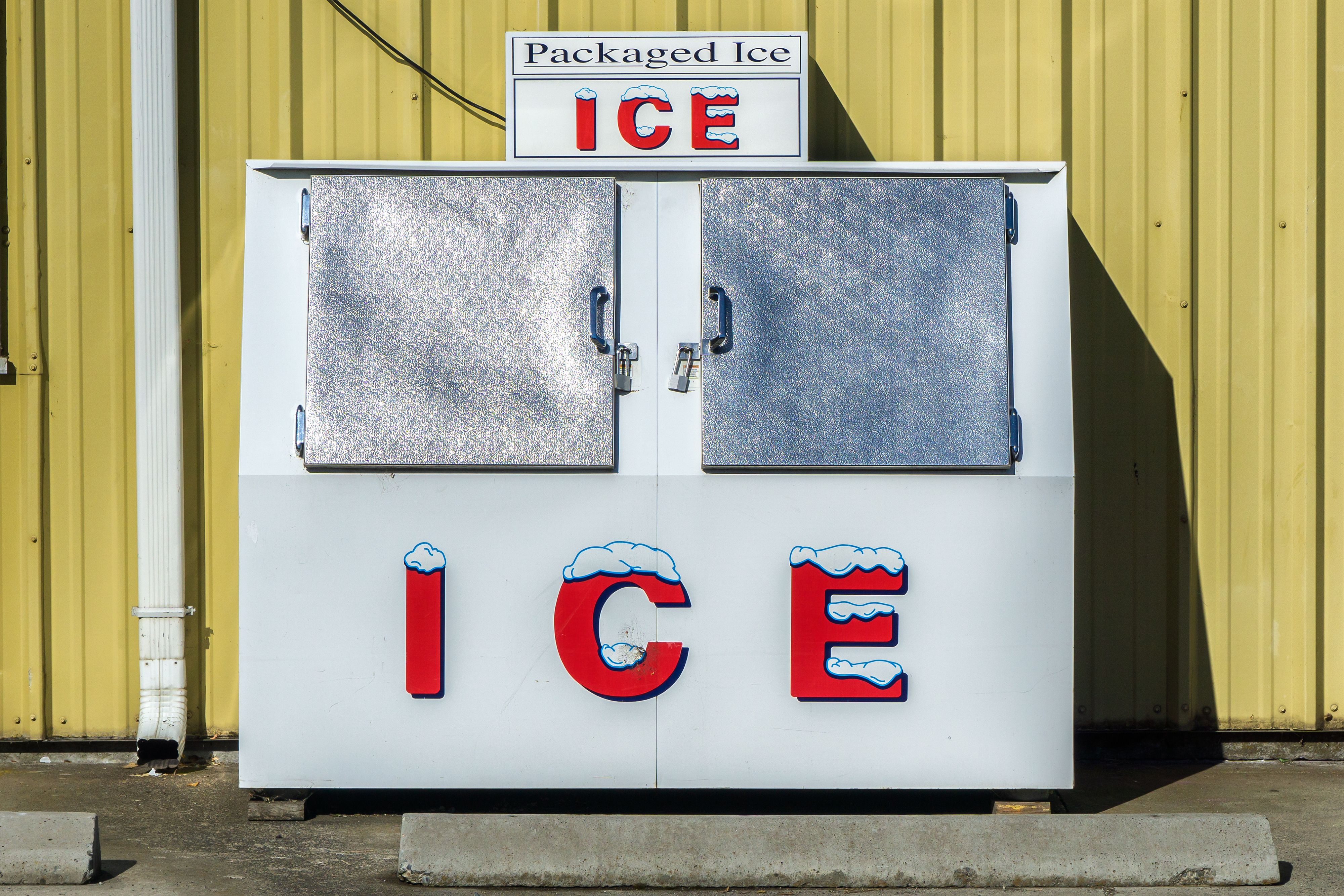
Ice vending machines are becoming a popular choice in Western Australia, offering a convenient way to access ice while also promoting environmental sustainability. These machines provide ice on demand, reducing the need for traditional ice production and distribution methods.
Reduction in Carbon Footprint
One of the main environmental benefits of using ice vending machines is the significant reduction in carbon emissions. Traditional ice production involves multiple steps, including manufacturing, packaging, and transportation, all of which contribute to greenhouse gas emissions.
By localizing ice production, vending machines eliminate the need for transportation, thereby reducing fuel consumption and associated emissions. This localized approach helps in lowering the overall carbon footprint.
Energy Efficiency
Modern ice vending machines are designed with energy-efficient technology. They often use advanced compressors and insulation to minimize energy use. This not only lowers operational costs but also contributes to environmental conservation by reducing energy demand.
Water Conservation
Water conservation is another critical environmental benefit of ice vending machines. Traditional ice production can be wasteful, with a significant amount of water lost during the process. Vending machines, however, are designed to use water more efficiently.
These machines can recycle water within the system, ensuring minimal waste. This makes them a more sustainable option for ice production, particularly in areas facing water scarcity.
Reduction in Plastic Waste
Ice vending machines also play a role in reducing plastic waste. Traditional ice is often sold in plastic bags, contributing to the growing issue of plastic pollution. By providing ice directly to consumers, vending machines eliminate the need for such packaging.
Local Economic Benefits
Beyond environmental advantages, ice vending machines offer economic benefits to local communities. They provide opportunities for small business owners to operate these units, creating jobs and supporting the local economy.
Additionally, by reducing reliance on large-scale ice production facilities, these machines help keep economic resources within the community, promoting sustainable local development.
Conclusion
In summary, ice vending machines present a range of environmental benefits, from reducing carbon emissions and conserving water to minimizing plastic waste. As Western Australia continues to embrace sustainable practices, these machines offer a practical solution for both consumers and the environment.